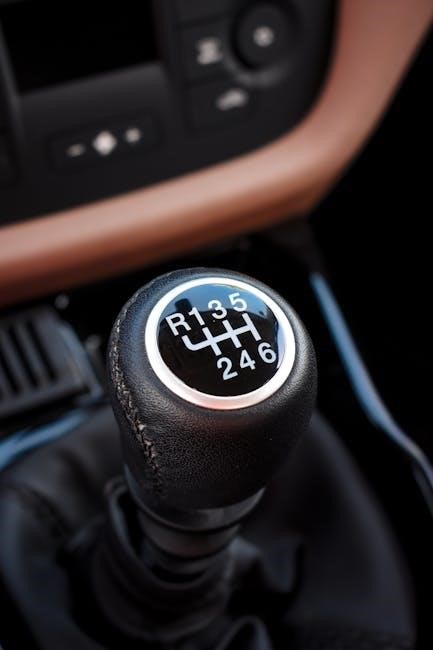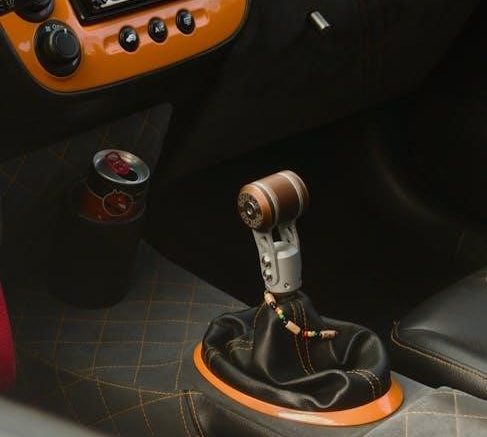
Charger manual transmissions offer a driver-focused experience, blending power with control, though issues like difficult shifting can arise after periods of inactivity.
What is a Manual Transmission Charger?
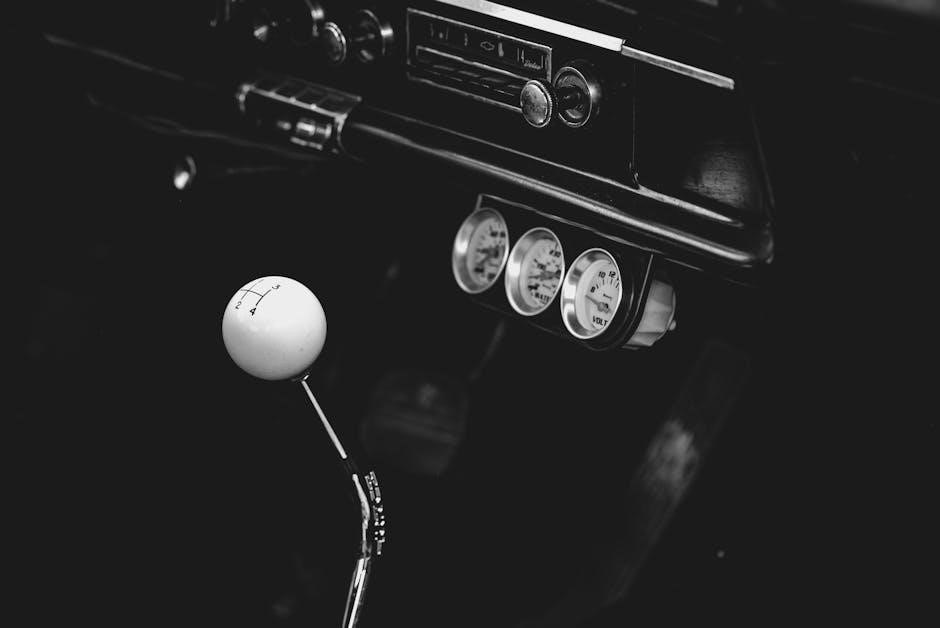
A Charger with a manual transmission represents a specific configuration of this popular muscle car, offering drivers a direct connection to the vehicle’s performance. Unlike automatic transmissions which handle gear changes automatically, a manual transmission requires the driver to select gears using a clutch pedal and a gear stick. This provides greater control over engine RPM and power delivery. Historically, manual transmissions were standard, but became less common as automatics gained popularity.
For enthusiasts, a manual Charger embodies a purist driving experience. It demands skill and engagement, allowing for precise control during acceleration, deceleration, and cornering. While modern Chargers primarily feature automatic transmissions, older models and certain special editions were available with manual options, making them highly sought after by collectors and driving purists alike.
Why Choose a Manual Transmission?
Opting for a manual transmission in a Charger delivers a uniquely engaging driving experience. Drivers appreciate the heightened sense of control, directly influencing gear selection and engine responsiveness. This translates to a more connected feel, particularly appealing to performance enthusiasts. Beyond the driving pleasure, manual transmissions often offer improved fuel efficiency compared to older automatic designs, though modern automatics have largely closed this gap.
Furthermore, a manual transmission can provide a lower initial cost and potentially simpler maintenance. For those who enjoy the art of driving, mastering the clutch and shifter is a rewarding skill. The direct mechanical link fosters a deeper understanding of the vehicle’s operation, making it a compelling choice for those seeking a truly driver-focused machine.
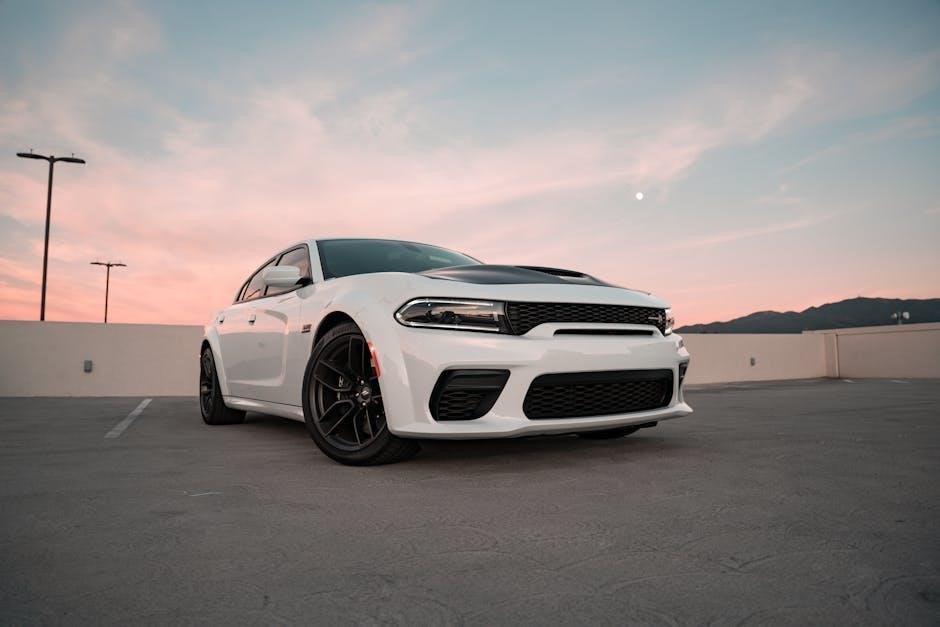
Common Problems with Manual Transmission Chargers
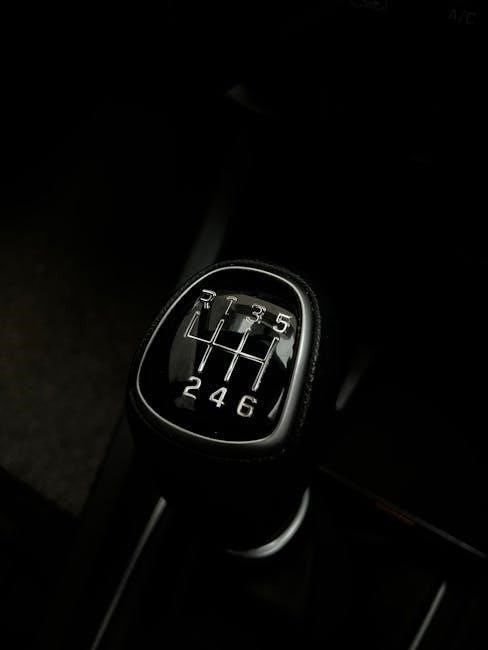
Charger manual transmissions can experience issues like difficult shifting, particularly into first and reverse, alongside thudding noises and delayed engagement of gears.
Difficulty Shifting Gears
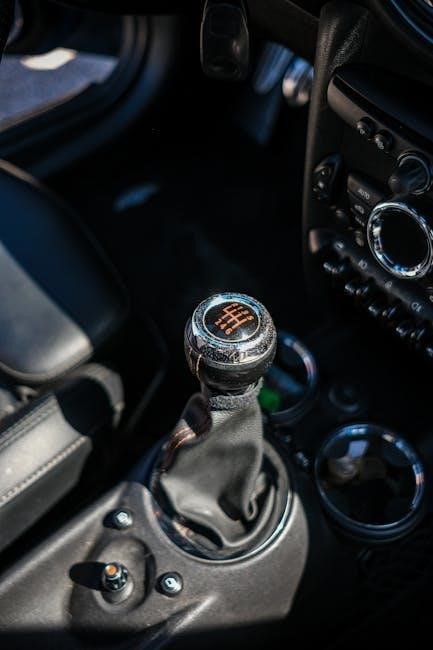
Experiencing trouble getting your Charger into gear is a common complaint with manual transmissions. Many owners report significant difficulty engaging reverse, and a struggle to smoothly select first gear, especially after the vehicle has been stationary for a period. This can manifest as a need for excessive force, or the gear simply refusing to engage at all. A noticeable “thud” during gear changes, particularly when moving out of first, suggests underlying synchronization issues or worn components.
Furthermore, while higher gears (3rd through 6th) may be easier to access, second gear can present a mild, yet persistent, resistance. These symptoms often point towards low or degraded transmission fluid, or internal wear within the transmission itself. Ignoring these early warning signs can lead to more substantial and costly repairs down the line.
Troubleshooting Hard Shifts into First and Reverse
Hard shifts into first and reverse on a Charger’s manual transmission frequently indicate synchronization problems. Begin by checking the transmission fluid level and condition; low or dirty fluid reduces lubrication and increases resistance. Ensure the clutch is fully disengaging – a worn clutch cable or hydraulic system can cause incomplete disengagement, making shifting difficult.
Inspect the shift linkage for any binding or looseness. A worn or damaged linkage can prevent the transmission from fully engaging the gear. If the issue persists, a mechanic should inspect the synchronizers for wear. These components are crucial for smooth gear engagement, and their deterioration often manifests as difficulty shifting into first or reverse, accompanied by grinding noises.
Thudding Sounds During Gear Changes
A “thud” during gear changes in a Charger’s manual transmission often signals worn or damaged universal joints, or potentially issues within the transmission itself. This sound typically arises when there’s excessive play in the drivetrain components. Inspect the U-joints for looseness or lack of lubrication, as these are common culprits.
However, the thud could also indicate worn synchronizers struggling to match gear speeds. A mechanic should examine the transmission internally to assess synchronizer health. Additionally, check the engine and transmission mounts; deteriorated mounts can amplify vibrations and create thudding noises during shifts. Proper diagnosis is crucial to pinpoint the source and prevent further damage.
Delayed Shifting
Experiencing a delay when attempting to shift gears in your Charger’s manual transmission suggests a problem with the clutch hydraulics or internal transmission components. If shifting feels sluggish, or there’s a noticeable pause before the gear engages, investigate the clutch master and slave cylinders for leaks or malfunctions. Low or contaminated transmission fluid can also contribute to delayed engagement.
A worn clutch disc might not fully disengage, causing resistance and delaying the shift. Furthermore, issues with the shift linkage could prevent the transmission from quickly selecting the desired gear. Any delay in shifting should be promptly addressed to avoid further wear and potential transmission damage.
Slipping into Neutral
If your Charger’s manual transmission unexpectedly slips into neutral, especially during acceleration or while driving, it’s a serious concern demanding immediate attention. This often indicates a worn synchronizer, a critical component responsible for smoothly matching gear speeds. Transmission fluid issues, such as low levels or contamination, can exacerbate this problem, reducing lubrication and increasing wear.
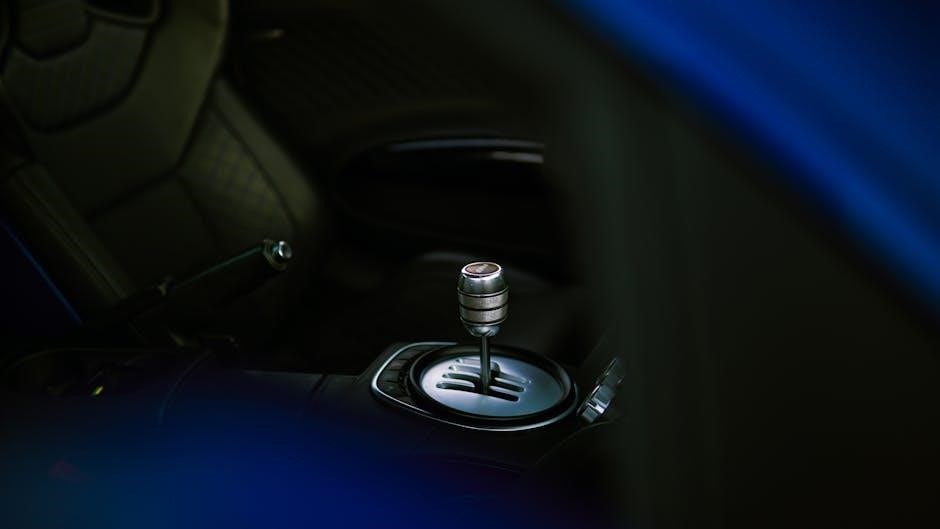
In older manual vehicles, the issue could stem from internal damage within the transmission itself. Ignoring this symptom can lead to complete transmission failure. Get it inspected by a mechanic promptly, as this isn’t a DIY fix and requires professional diagnosis and repair to ensure safe operation.
Unusual Noises
Strange sounds emanating from your Charger’s manual transmission are often early indicators of underlying problems. While some operational sounds are normal, any deviation – whining, clunking, or grinding – warrants investigation. These noises can signal worn bearings, damaged gears, or low/dirty transmission fluid. A transmission that’s struggling to shift smoothly may produce audible complaints.
It’s crucial to differentiate between normal sounds and abnormal ones. Any odd sounds, beyond the typical mechanical operation, should be checked out by a qualified mechanic. Ignoring these warning signs can lead to more extensive and costly repairs down the road, potentially resulting in complete transmission failure.
Identifying Abnormal Transmission Sounds
Pinpointing the type of unusual noise is key to diagnosing a Charger manual transmission issue. A whining sound often suggests low transmission fluid or a failing pump. Grinding noises, particularly during gear changes, frequently indicate worn synchronizers. Thudding sounds, as reported by owners, can signal internal damage or issues with the clutch linkage.
Listen carefully to when the noise occurs – during shifting, while in gear, or at idle. Does the sound change with engine speed? Precise observation helps a mechanic narrow down the source. Don’t dismiss seemingly minor sounds; they can escalate quickly. Prompt diagnosis prevents further damage and costly repairs.
Maintenance and Repair
Charger manual transmission upkeep involves regular fluid checks, addressing synchronizer issues, and inspecting worn components to ensure smooth operation and longevity.
Checking Transmission Fluid Levels
Maintaining the correct transmission fluid level is crucial for a Charger’s manual transmission health. Low fluid can cause difficulty shifting and internal damage, while overfilling can lead to leaks and aeration. Checking the fluid typically involves locating the fill plug, often on the side of the transmission case, and removing it to inspect the level.
With the vehicle on level ground and the engine warmed up, the fluid should be easily accessible. Use a clean rag to wipe the dipstick (if equipped) and reinsert it fully before checking the level again. The fluid should be within the “full” range. If it’s low, carefully add the correct type of fluid, specified in your owner’s manual, using a funnel. Remember that handling transmission fluid requires caution, as it can be hot and potentially harmful.
Transmission Fluid Condition and Replacement

The condition of your Charger’s manual transmission fluid is as important as the level. Dirty or degraded fluid loses its lubricating properties, contributing to wear and shifting problems. Inspect the fluid’s color and smell; it should be a clear amber or reddish hue and have a slightly sweet odor. Dark, murky fluid with a burnt smell indicates contamination and the need for a change.
Fluid replacement intervals vary, but generally, a complete flush should be performed every 30,000 to 60,000 miles, or as recommended in your owner’s manual. This process involves draining the old fluid, cleaning the transmission pan, and refilling with fresh, manufacturer-approved fluid. Proper fluid maintenance helps prevent synchronizer wear and ensures smooth gear engagement.
Synchronizer Issues and Repair
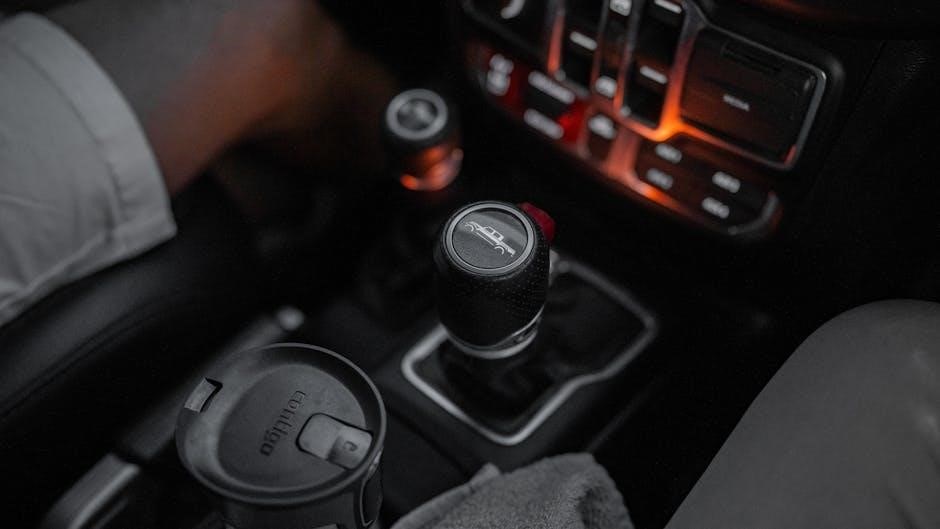
Synchronizers are crucial components within a Charger’s manual transmission, responsible for matching the speeds of gears before engagement, enabling smooth shifting. Worn synchronizers often manifest as grinding noises during gear changes, particularly when shifting into first or reverse. Difficulty getting into gear, or a “double clutch” feeling, can also indicate synchronizer wear.
Repair typically involves transmission disassembly to access and replace the faulty synchronizers. This is a complex task best left to qualified mechanics. Ignoring synchronizer issues can lead to further damage to gears and the transmission housing. A timely inspection and repair can restore smooth shifting and prevent more costly repairs down the line.
Identifying Worn Components
Diagnosing a Charger’s manual transmission requires careful observation. Beyond synchronizers, worn shift forks can cause imprecise gear selection, while damaged bearings contribute to unusual noises. Inspecting the transmission fluid is vital; metallic particles suggest internal wear. Checking for play in the shift linkage can reveal external issues mimicking internal problems.
A thorough inspection by a skilled mechanic involves visually examining gears for chipped teeth and assessing the condition of seals to prevent leaks. Identifying worn components early prevents cascading failures. Regular maintenance and prompt attention to symptoms like slipping or grinding are key to extending the life of your manual transmission.
Preventative Measures
Consistent fluid checks and changes, alongside employing smooth and deliberate shifting techniques, are crucial for maintaining a healthy Charger manual transmission.
Regular Fluid Checks and Changes
Maintaining the correct transmission fluid level and condition is paramount for a Charger’s manual transmission longevity. Fluid acts as a lubricant, coolant, and hydraulic component, vital for smooth gear changes. Regularly checking the fluid – ideally every month – can reveal potential issues early. Low fluid levels can generate excessive heat and wear, while dirty fluid loses its lubricating properties.
Inspect the fluid’s color and smell; it should be a clear amber and not burnt or metallic-smelling. If the fluid appears dark or contaminated, a complete flush and replacement are necessary. Following the manufacturer’s recommended fluid change intervals, typically every 30,000 to 60,000 miles, is essential preventative maintenance. Using the correct fluid type, specified in your owner’s manual, is also critical to avoid damaging internal components.
Proper Shifting Techniques
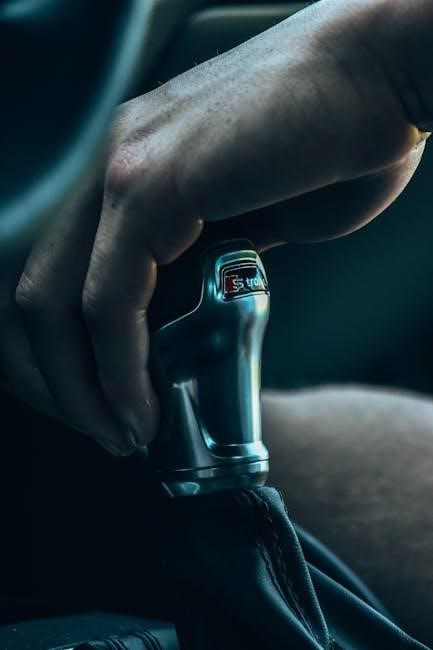
Mastering proper shifting techniques is crucial for preserving your Charger’s manual transmission. Avoid “speed shifting” or forcing gears, as this puts undue stress on synchronizers and other internal parts. Fully depress the clutch pedal before each gear change, ensuring complete disengagement. Match engine speed to road speed during downshifts – a technique known as rev-matching – to minimize wear and create smoother transitions.
Release the clutch smoothly and progressively, avoiding abrupt engagement. Refrain from resting your foot on the clutch pedal while driving, as this causes premature wear. When coming to a stop, downshift appropriately instead of simply braking to a halt in gear. Practicing these techniques will not only extend the life of your transmission but also enhance your driving experience.
When to Seek Professional Help
Consistent slipping into neutral, unusual noises, or difficulty shifting warrant immediate inspection by a qualified mechanic to prevent further damage.
Recognizing Signs of Serious Damage
Detecting serious damage early can save you significant repair costs with your Charger’s manual transmission. Beyond typical wear, pay close attention to consistent and escalating issues. Repeatedly struggling to engage gears, especially first and reverse, signals potential internal problems.
A transmission doesn’t fail instantly; it degrades over time. Delayed shifting, where gears engage a second or two late, indicates slipping clutches or worn synchronizers. Any grinding or thudding sounds during gear changes are red flags, suggesting damaged gears or bearings.
If your vehicle unexpectedly slips into neutral while driving, immediately pull over and have it inspected. This is a critical sign of internal failure. Ignoring these symptoms will likely lead to complete transmission failure and a much more expensive repair or replacement.
Finding a Qualified Mechanic
Locating a mechanic specializing in manual transmissions is crucial for your Charger. Not all shops possess the expertise to accurately diagnose and repair these complex systems. Seek out technicians with proven experience working on performance vehicles or those specifically mentioning manual transmission repair.
Check online reviews and ask for recommendations from fellow car enthusiasts or local car clubs. A qualified mechanic will thoroughly inspect your transmission, identifying worn components and providing a clear, detailed estimate.
Don’t hesitate to ask about their experience with Charger transmissions specifically. A reputable shop will be transparent about the repair process and happy to answer your questions. Prioritize a mechanic who explains the issues in understandable terms and offers a warranty on their work.